Why Does Stainless Steel Rust? Common Causes and How to Prevent Corrosion
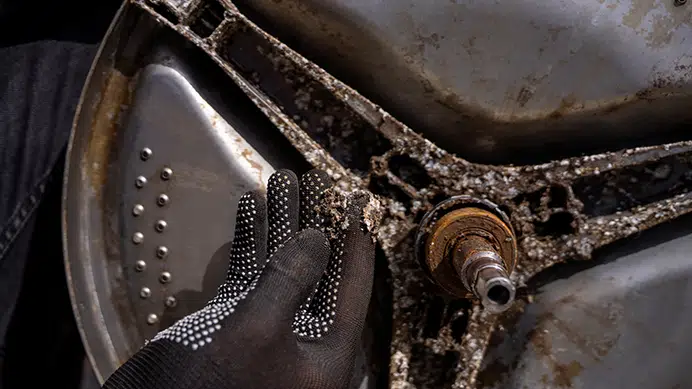
“Can stainless steel rust?” is one of the most common questions—and misconceptions—surrounding stainless steel. As its name suggests, stainless steel offers significantly greater corrosion resistance than carbon steel. However, this does not mean that it is completely immune to corrosion under all conditions. Incorrect grade selection, unsuitable operating environments, improper fabrication practices, or inadequate maintenance can all contribute to corrosion.
The key to stainless steel’s corrosion resistance lies in its chromium (Cr) content. Chromium reacts with oxygen to form an extremely thin, invisible, and self-repairing passive oxide layer on the surface. This protective layer acts as a barrier against corrosive environmental influences. Under certain conditions, however, the passive layer can be damaged or prevented from regenerating effectively, leaving the material vulnerable to corrosion.
Incorrect Grade Selection Is One of the Most Common Causes
Not every stainless steel grade is suitable for every operating environment. Grade 304, for example, provides excellent performance across a wide range of general applications. In more aggressive environments with elevated chloride exposure—such as coastal applications, swimming pools, or certain chemical processing facilities—Grade 316 may be a more appropriate choice because of its enhanced resistance to chloride-induced corrosion.
Selecting a grade with insufficient corrosion resistance for the intended application can eventually result in surface staining, pitting corrosion, or more extensive material degradation.
Surface Contamination and Free Iron
One of the most common causes of apparent rusting on stainless steel is contamination with particles of carbon steel or free iron. This can occur when stainless steel is processed using equipment, tools, or work surfaces that have also been used for carbon steel. The transferred iron particles can subsequently corrode, creating visible rust staining on the stainless steel surface.
Weld residues, metallic dust, chemical residues, and other industrial contaminants left on the surface after fabrication can also interfere with the integrity of the passive layer and increase the risk of corrosion.
Preventing cross-contamination throughout processing, handling, storage, and installation is therefore an important part of preserving stainless steel surface quality.
Improper Cleaning and Maintenance Practices
Stainless steel should be cleaned regularly using methods and products appropriate for the material and its environment. Aggressive chloride-containing cleaners, abrasive cleaning products, or unsuitable chemicals can compromise surface condition and potentially increase the risk of corrosion.
Using appropriate stainless steel cleaning products and establishing regular cleaning practices help preserve both the appearance and corrosion resistance of the material over its service life.
Maintenance requirements should also be determined according to the operating environment. Stainless steel installed in coastal, industrial, or other aggressive environments may require more frequent cleaning than material used in less demanding indoor applications.
The Importance of Post-Weld Treatment
Welding can alter the surface condition of stainless steel, particularly in the heat-affected area surrounding the weld. Heat tint and other welding-related surface changes can reduce local corrosion resistance if they are not properly addressed.
For critical applications, post-weld treatments such as pickling and passivation can be used to remove surface contamination and restore optimum corrosion resistance.
Correct welding procedures, appropriate fabrication practices, and proper post-weld surface treatment are therefore essential to maintaining the long-term performance of stainless steel.
Long-Term Performance Starts with the Right Material and the Right Application
Minimizing corrosion risk requires a comprehensive approach that brings together correct grade selection, appropriate fabrication processes, suitable surface treatment, contamination control, and regular maintenance.
Understanding the environment in which the material will operate—including chloride exposure, chemicals, temperature, humidity, and cleaning conditions—is essential when specifying the appropriate stainless steel solution.
With its broad product portfolio, advanced processing capabilities, and technical expertise, Sarıtaş Stainless Steel delivers stainless steel solutions for a wide range of industrial requirements. Beyond material supply, Sarıtaş supports customers in identifying the appropriate grade and surface solution for the specific requirements of their applications, helping optimize long-term performance and reliability.
Ultimately, stainless steel is an exceptionally durable engineering material when correctly specified, fabricated, and maintained. Corrosion is often not simply a question of the material itself, but the result of inappropriate grade selection, improper processing, environmental exposure, contamination, or inadequate maintenance.
Understanding these factors—and applying the right engineering approach—is essential to unlocking the long-term performance that stainless steel is designed to deliver.