Types of Corrosion in Stainless Steel and How to Prevent Them
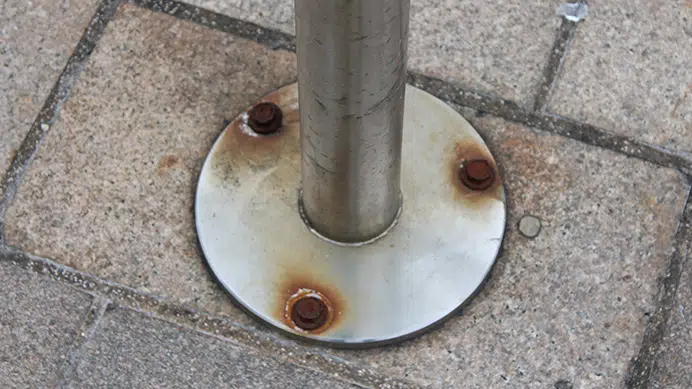
Stainless steel is widely recognized as one of the most reliable engineering materials due to its excellent corrosion resistance. However, the term “stainless” does not mean that the material is completely immune to corrosion under every condition or in every environment. Incorrect grade selection, aggressive environmental conditions, improper fabrication practices, or inadequate maintenance can lead to different forms of corrosion in stainless steel.
Understanding corrosion mechanisms is essential not only for extending material service life, but also for reducing maintenance costs, improving operational safety, and protecting the long-term performance of an investment. For this reason, corrosion risks should be carefully evaluated alongside operating conditions when selecting the appropriate stainless steel grade.
Uniform Corrosion
Uniform corrosion refers to relatively even material loss across the exposed metal surface. Although it is commonly associated with carbon steels, it is relatively uncommon in stainless steel when the appropriate grade is selected for the operating environment.
However, exposure to highly concentrated acids or process conditions that exceed the chemical resistance limits of a particular stainless steel grade can result in uniform corrosion.
This risk can be significantly reduced through proper alloy selection and careful evaluation of process conditions, including chemical concentration, temperature, and exposure time.
Pitting Corrosion
Pitting corrosion is one of the most common forms of localized corrosion affecting stainless steel. It can occur particularly in environments with elevated chloride concentrations, including marine environments, swimming pools, chemical processing facilities, and saltwater applications.
Pitting typically begins as small, localized points of attack on the surface. Although these areas may initially appear insignificant, pits can penetrate deeper into the material over time and potentially compromise its integrity.
Stainless steel Grades 316 and 316L, which contain molybdenum (Mo), generally offer significantly greater resistance to chloride-induced pitting than Grade 304. Selecting the appropriate grade according to chloride concentration, temperature, and operating conditions is therefore critical.
Crevice Corrosion
Crevice corrosion can develop in confined areas where the local environment differs from the freely exposed surface, such as under gaskets, around bolted connections, at overlapping joints, or within narrow gaps.
Restricted mass transfer within these areas can create conditions in which the protective passive layer becomes less stable, allowing localized corrosion to develop.
Effective design practices can help minimize crevices where moisture, chemicals, or contaminants may accumulate. Appropriate assembly techniques, material selection, and regular cleaning also play an important role in reducing this risk.
Galvanic Corrosion
Galvanic corrosion can occur when two dissimilar metals are in electrical contact in the presence of an electrolyte, such as water or moisture.
For example, when stainless steel is placed in direct contact with materials such as carbon steel or aluminum, galvanic interaction may occur under certain environmental conditions. The extent of the risk depends on several factors, including the metals involved, the relative surface areas, and the conductivity of the environment.
Appropriate electrical isolation between dissimilar metals, careful material pairing, and properly designed connection details can help manage galvanic corrosion risk.
Stress Corrosion Cracking (SCC)
Stress corrosion cracking (SCC) is a form of cracking that can develop through the combined effects of tensile stress and a specific corrosive environment.
Elevated temperatures, chloride-containing environments, and sustained tensile stresses can increase susceptibility to SCC in certain stainless steel grades.
Because stress corrosion cracking may develop with limited visible surface indication before failure, appropriate material selection and engineering design are particularly important in demanding applications. This is especially relevant in process industries, energy facilities, chemical processing, and other critical industrial environments.
How Can Corrosion in Stainless Steel Be Prevented?
Effective corrosion prevention begins with the right engineering approach. Key considerations include:
- Selecting the stainless steel grade appropriate for the operating environment
- Specifying more highly alloyed grades, such as 316/316L or suitable Duplex grades, where application conditions require greater corrosion resistance
- Applying appropriate post-weld treatments, including pickling and passivation, where required
- Keeping surfaces clean and minimizing exposure to chloride contamination and free iron
- Preventing cross-contamination from tools and equipment used for carbon steel
- Implementing appropriate cleaning, maintenance, and periodic inspection programs
Together, these practices help preserve the inherent corrosion resistance of stainless steel and support reliable performance throughout its service life.
The Right Material Selection Is the Foundation of Long-Term Performance
Corrosion is not simply a material issue. In many cases, it results from a combination of inappropriate grade selection, unsuitable design, fabrication practices, environmental conditions, contamination, or insufficient maintenance.
With its broad product portfolio, advanced processing capabilities, and technical expertise, Sarıtaş Stainless Steel supports customers in identifying stainless steel solutions suited to the specific requirements of their applications. The right material and surface solution can help extend service life, reduce maintenance requirements, and enhance long-term project reliability.
Ultimately, corrosion in stainless steel cannot be eliminated under every possible operating condition, but its risk can be significantly reduced and effectively managed through appropriate grade selection, sound engineering design, proper fabrication practices, and systematic maintenance.
Selecting the right stainless steel through an informed engineering approach helps ensure that the material’s inherent strength, durability, and corrosion resistance continue to deliver value throughout its service life.