Stainless Steel in Renewable Energy Systems: A Strong Material for Sustainable Infrastructure
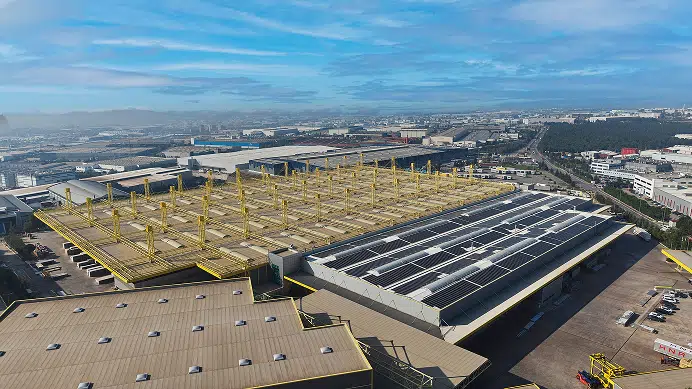
The global energy system is transitioning from a fossil fuel-based model toward a new era in which lower-carbon and renewable energy sources play an increasingly important role. From solar and wind power to hydropower and geothermal systems, and from green hydrogen technologies to energy storage infrastructure, this transformation requires not only new energy generation technologies, but also materials capable of delivering long-term performance under demanding operating conditions.
With its high corrosion resistance, mechanical properties, availability in grades suited to a wide range of temperature conditions, long service life, and recyclability, stainless steel has become an important engineering material for renewable energy infrastructure.
However, selecting the right material for energy systems involves more than simply “using stainless steel.” Identifying the appropriate grade, surface finish, and processing method for the environmental and mechanical conditions of each application plays a critical role in long-term system performance.
Long-Term Performance in Solar Energy Systems
Solar power plants and photovoltaic systems are exposed to rain, humidity, temperature fluctuations, and varying atmospheric conditions throughout their service life. In coastal regions in particular, salt-laden air can further increase the risk of corrosion.
Stainless steel can be used in fasteners, support components, cable management systems, and various auxiliary equipment. Its corrosion resistance can help support long service life in outdoor environments while contributing to reduced maintenance requirements.
For large-scale solar energy investments, material selection should consider not only the initial investment cost, but also maintenance, replacement requirements, and total lifecycle cost.
Durability in Demanding Wind Energy Environments
Wind energy systems, particularly offshore installations, can create highly demanding operating conditions for materials.
High humidity, salt-laden atmospheres, chlorides, and continuous outdoor exposure can increase corrosion risk. Materials used in wind energy infrastructure should therefore be selected according to the specific environmental conditions of the application.
Stainless steels can be considered for fasteners, enclosures, access and support systems, piping, and various auxiliary components. In more aggressive marine environments, 316/316L, Duplex, or more highly alloyed stainless steelsmay be considered depending on the technical requirements of the application.
The objective is not to recommend a single grade for every wind energy application, but to select the appropriate material based on factors such as chloride exposure, temperature, mechanical loads, and required service life.
Corrosion Management in Hydropower and Geothermal Systems
Renewable energy extends well beyond solar and wind. In hydropower and geothermal facilities, materials may be exposed to water, pressure, elevated temperatures, and a variety of chemical environments.
In hydropower systems, stainless steel can be considered for water-contact equipment, piping systems, and auxiliary components where corrosion resistance and mechanical performance are important.
Geothermal applications can present more complex operating conditions. Elevated temperatures, mineral content, chlorides, and the chemical characteristics of process fluids can all influence material selection. The appropriate stainless steel grade should therefore be selected according to actual process conditions, including fluid chemistry and operating temperature.
Green Hydrogen: New Material Requirements for the Energy Economy
One of the emerging areas of the energy transition is green hydrogen. The production, storage, transportation, and use of hydrogen produced using renewable electricity create demand for high-performance materials capable of operating reliably under a range of conditions.
Stainless steels and other high-performance alloys can be used at different points across the hydrogen value chain, from selected components in electrolysis systems to piping, valves, and connection systems.
Material selection for hydrogen applications, however, requires application-specific engineering evaluation. Pressure, temperature, hydrogen purity, mechanical stresses, and material behavior in hydrogen environments must all be considered together.
The hydrogen economy therefore represents more than a new potential application area for stainless steel. It is also an emerging technology field in which materials science and advanced engineering are becoming increasingly important.
Long Service Life Is Part of Sustainability
The sustainability of energy infrastructure cannot be measured solely by the source of the energy it produces. The service life of the materials used, maintenance requirements, resource efficiency, and end-of-life recovery potential are also part of a system’s overall environmental performance.
With its long service life and recyclability, stainless steel can support this broader approach to sustainability. When correctly specified and used in the appropriate application, its durability can help reduce the need for frequent component replacement, maintenance, and additional material consumption.
For this reason, material selection should be evaluated not only in terms of initial investment cost, but also from a lifecycle perspective, particularly for energy infrastructure designed to operate over extended periods.
How Do You Select the Right Stainless Steel for Renewable Energy Applications?
There is no single stainless steel grade suitable for every renewable energy application. Material selection should consider:
- Operating environment and atmospheric conditions
- Exposure to chlorides and other corrosive substances
- Temperature and pressure
- Mechanical loads
- Welding and forming requirements
- Maintenance accessibility
- Required service life
For example, 304 and 304L may be suitable for many general applications, while chloride-containing or more aggressive environments may, under certain conditions, require consideration of 316/316L, Duplex, or more highly alloyed stainless steel solutions.
The right material selection can therefore directly influence the reliability, maintenance requirements, and long-term investment performance of renewable energy infrastructure.
Material Solutions That Support the Energy Transition
As renewable energy investments continue to expand, the importance of the material technologies behind these systems is also increasing. From solar and wind power to hydropower, geothermal energy, and hydrogen technologies, each application requires engineering solutions capable of performing under different environmental and mechanical conditions.
Sarıtaş Stainless Steel combines a broad product portfolio, advanced processing technologies, and technical expertise to provide stainless steel solutions for the needs of diverse industries. Selecting the appropriate grade, surface finish, and processing method according to the requirements of each application helps support the long-term performance potential of stainless steel in renewable energy investments.
Because in the energy transition, sustainability is not only about how energy is produced, but also about how durable, efficient, and long-lasting the systems that make it possible are.