Sarıtaş’s Digital and Human-Centered Leap in the Industry 5.0 Transformation
The industrial world has entered a new phase of transformation that goes beyond digitalization alone. Industry 5.0 redefines the automation- and efficiency-driven approach of Industry 4.0 by placing humans, sustainability, and social values at its core. This new paradigm represents an industrial mindset in which technology does not replace people but works alongside them. Sarıtaş Stainless Steel views this transformation not merely as a technological advancement, but as a strategic step that elevates its corporate culture and production philosophy.
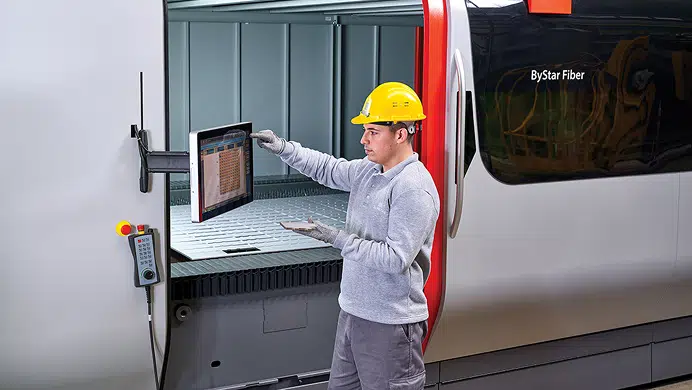
At the heart of Industry 5.0 lies human–machine collaboration. Sarıtaş designs its digital monitoring systems, data analytics, and smart manufacturing infrastructures in harmony with employees’ knowledge, experience, and decision-making capabilities. This approach enhances production flexibility while strengthening quality and safety. Technology is positioned as a tool that supports and empowers people rather than replaces them.
This transformation also enables the development of resilient production systems. Through digital infrastructures, production processes are monitored in real time, potential risks are identified in advance, and rapid corrective actions can be taken. This structure ensures production continuity amid global supply chain disruptions.
Another key dimension of Industry 5.0 is sustainability. Energy efficiency, optimized resource utilization, and measurable carbon footprint management are integral components of Sarıtaş’s digital transformation investments. These initiatives enable effective environmental impact management while delivering long-term cost advantages.
In conclusion, Industry 5.0 represents, for Sarıtaş, not just an investment in advanced technology but a holistic transformation model that places people at the center, embraces environmental responsibility, and shapes the future of industry today. This approach strongly supports Sarıtaş’s sustainable growth and global competitiveness goals.