How Critical Is Stainless Steel for a Sustainable Future?
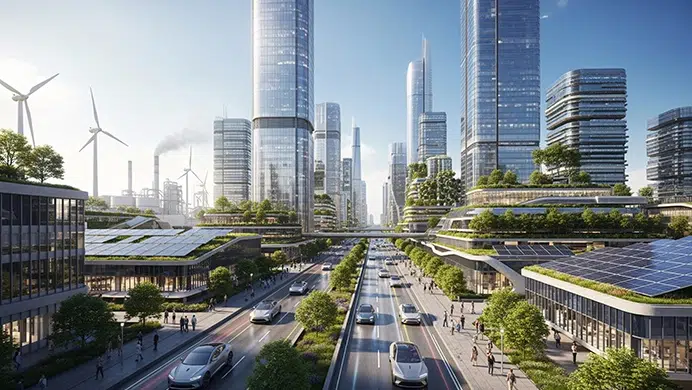
Sustainability has become not only an environmental responsibility for industrial sectors, but also a key determinant of long-term competitiveness. In this transformation, the environmental impact, life cycle performance, and recyclability of materials are of paramount importance. With its inherent properties, stainless steel stands out as one of the most critical building blocks of a sustainable industrial ecosystem.
One of the most significant advantages of stainless steel is its long service life. Thanks to its high resistance to corrosion, it maintains performance for decades even under harsh environmental conditions. This durability reduces maintenance needs for structures and industrial equipment, enabling more efficient use of both economic and natural resources. Less maintenance and longer service life directly contribute to a lower overall environmental impact.
Another critical factor is recyclability. Stainless steel can be recycled repeatedly without any loss of quality. Products that reach the end of their service life can be reprocessed and reintegrated into the economy. This circular structure reduces waste while helping conserve natural resources. Within the framework of the circular economy, stainless steel plays a central role in sustainable production models.
These life-cycle advantages make stainless steel an ideal choice for environmentally responsible projects. From construction and home appliances to food processing and energy, it offers sustainable solutions across a wide range of industries. At this point, Sarıtaş Stainless Steel combines the technical advantages of stainless steel with a sustainable production mindset to develop solutions that deliver high environmental and economic value.
In conclusion, stainless steel is not merely a durable material; it is a strategic choice that contributes to reducing carbon emissions, improving resource efficiency, and building a sustainable future. Its role in the green transformation of industry is set to become even more critical in the years ahead.